Fan-Lit

Welcome Everyone!

Welcome Everyone!

Thanks for visiting my blog where I review books and stories. I am a published author and I have a Master's Degree in English and Creative Writing. Some of my favorite books are "The Hunger Games" series, the "Percy Jackson and the Olympians" series and Brandon Sanderson's "Skyward" series. I love to read and write short stories; as well as discuss writing and literature in any medium. Hope you enjoy and feel free to comment and make recommendations.


Friday, November 19, 2021

Review of Harry Potter and the Sorcerer's Stone


Review of “Harry Potter and the Sorcerer's Stone” by J.K. Rowling
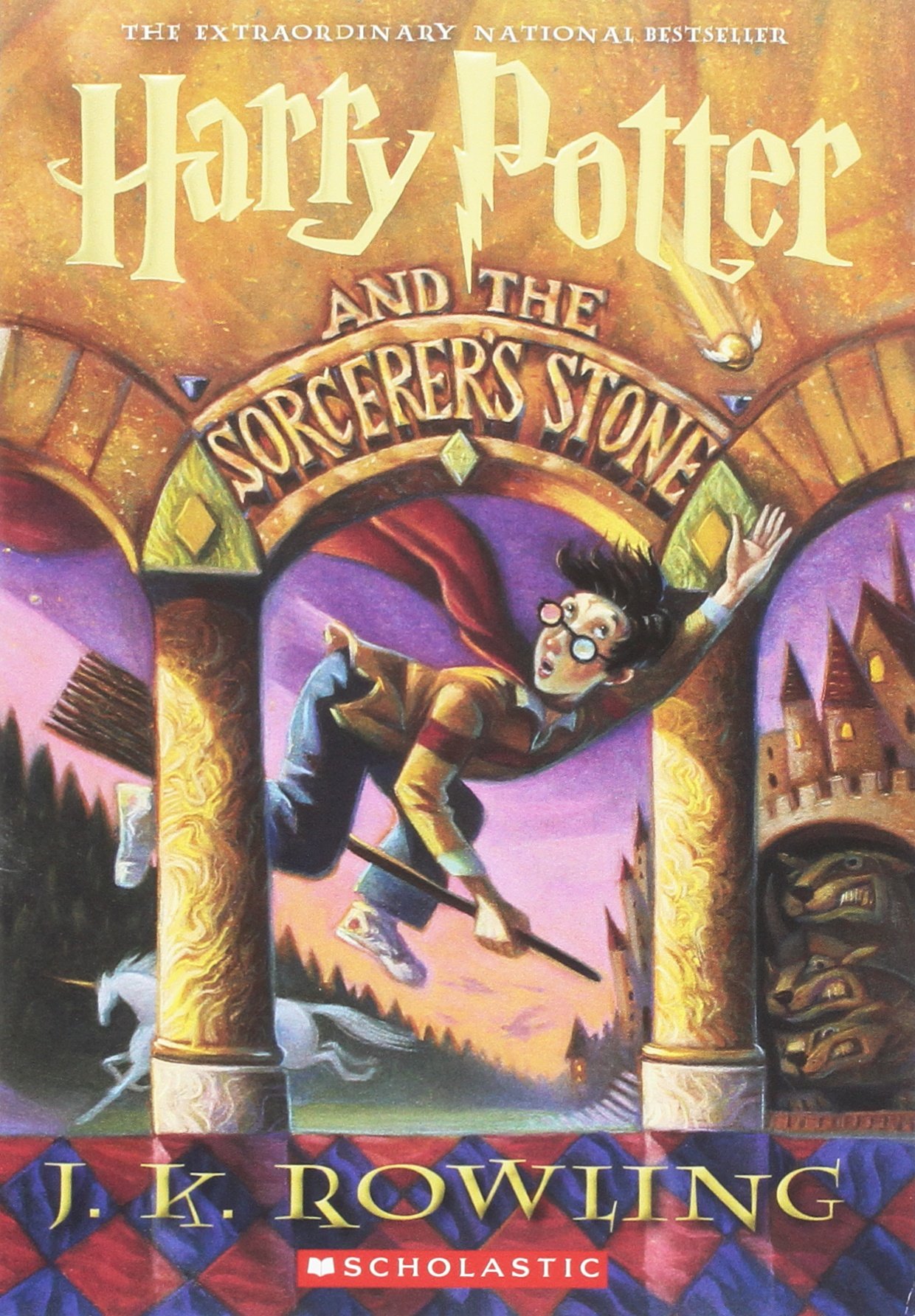
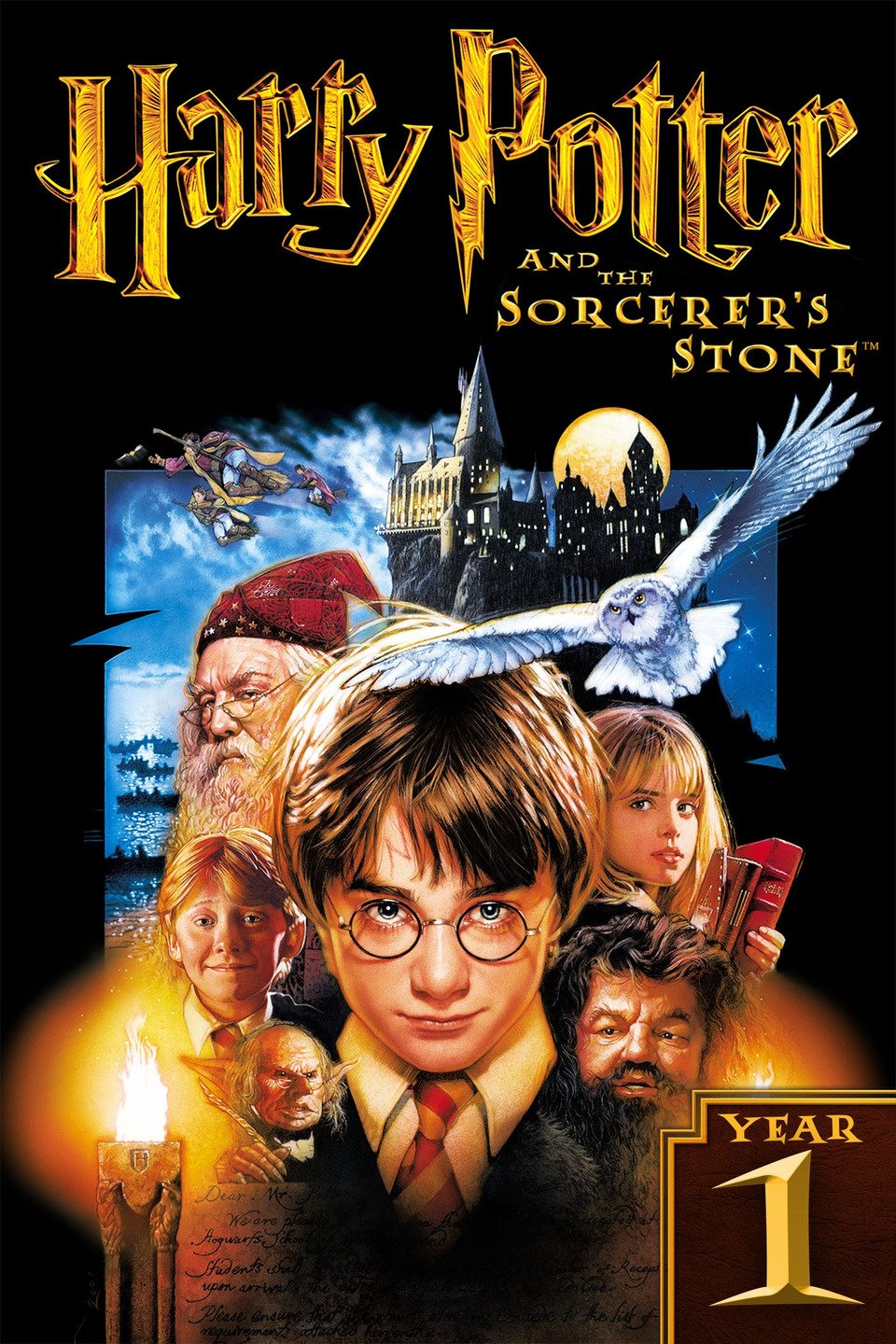
I was surprised to find that the first book, The Sorcerer's Stone was very much in line with the movie version, with some minor plot changes. Probably because the first book is not very long. I know they'll have to cut out more in the movies as the books get longer. One of the things that I liked in the book, was the characterization and time spent with the Durselys. They are quite despicable people, and the reader quickly understands why Harry hates living with them. The book also explains how the Dursley's ended up in a stone house on an island, which I always wondered from the movie.

Every time I would tell someone that I haven't read the Harry Potter books, I would get people looking at me like there was something wrong with me. Many friends and family have told me that I should read them because they are great books, despite being for children or young adults. Now, after all these years I have finally gotten around to reading the Harry Potter books. For a long time I was turned off by the length of the last few books, it is intimidating. For years I had a rule of not to read anything over 500 pages. But recently I have gotten into audio books; which makes long books easier to get through for me. Having grown up liking the movies, I was familiar with the overall story of Harry Potter. That made it easier to visualize the wizarding world of the books.

The book does a good job of showing how Harry, Ron and Hermione spend their time during the school year. Some thing I think the movies have a more difficult time establishing. Author J.K. Rowling balances introducing the audience to the world, but doesn't get bogged down in minuscule details. We know only what we need to know for the story with a few extra details just for fun. One of the big changes with the book from the movie, is that we get more time with some of the other students, some of which are barely mentioned in the movies. This adds to the world building and makes Hogwarts feel like a diverse school. One of the characters that was cut out of the movies is Ron's older brother Charlie. He's mentioned a few times in the movies but we never see him. So, I was surprised to see that Charlie appears, briefly, in this first book.

Having seen the movie, I already knew that professor Quirrel was the bad guy and not Snape. However, even knowing that, Rowling does such a good job not over playing professor Quirrel's role and really making Snape a suspicious character. As the story goes on, you learn that is just how Snape always acts. I also love the relationship between Hagrid and Harry (as well as Ron and Hermione) that is established in this book. Hagrid is Harry's first guide into the wizarding world and the school of Hogwarts. He also inadvertently aids the kids with information as they try to unravel the mystery of the sorcerers stone.


With all of the hype about Harry Potter over the years, my expectations for the books were high. I think my viewing of the movies have sort of tempered how I can experience the book, because I already know how important Harry Potter is, both in the universe and in pop culture. So, reading the first book, it just felt just a good YA fantasy novel, but because I know it's special, I didn't get that wonderment that people would have had when the book first came out. I am excited to read the next books, though. I happy I am finally getting around to reading Harry Potter.
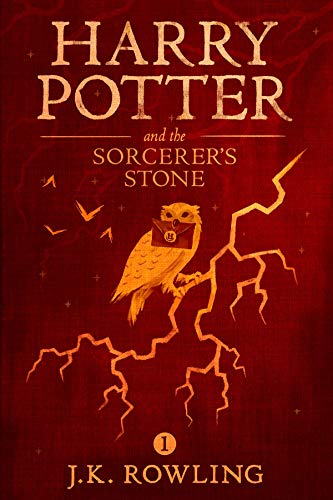

You can buy "Harry Potter and the Sorcerer's Stone" here or read it for free with Amazon Prime.

Thank you for reading and be sure to check back every week as I dive into the wizarding world. I'll be reviewing all 7 books and other stories from the PotterVerse, such as Fantastic Beasts (not the screenplay) and The Tales of Beedle the Bard. So stay tuned to the blog for new posts every week until Christmas! Thanks for reading and be sure to follow the blog on social media for all the updates. 

Read my review for Neil Gaiman's fairy tale "Troll Bridge".

If you like to read stories on WattPad, then you're in luck! Because I have recently posted some short stories on WattPad! Get ready for Halloween by reading my spooky/thriller inspired stories. 

"Grave Little Witches"

"Through the Blackout"


Wednesday, November 17, 2021

Review of Troll Bridge

 Review of “Troll Bridge” by Neil Gaiman

You can read the story for free here or buy the graphic novel here.

Neil Gaiman is a prolific author that spans multiple mediums of storytelling, from comic books, to novels, to television and short stories. A popular writer in the pop culture fandom, I personally have not read anything by Gaiman, until I read this story. Known for writing amazing science fiction and fantasy worlds, I was surprised by the realistic nature of this short story that is a twist on fairy tales.

Troll Bridge is a short story about a boy who encounters a troll, and convinces the troll to spare his life until he is older. When the boy returns as a teenager and encounters the troll, he convinces him yet again to spare his life until he is older. It's not until the man returns after having his wife leave him, that he allows the troll to take his life. The twist is that the troll does not kill the man, but merely steals his life, and the man becomes the troll under the bridge.


The story is set in a small village surrounded by fields and woods. There used to be a train station, with a railroad passing through the town. The setting reflects the growth that the man goes through in his life. As a child the village was small, with older building and the woods were wild and vast. As he grows older, more and more of the fields and woods were removed and newer houses built up the town. This change reflects the loss of innocence in the man. As a child, he still had the rest of his life to live. As a teenager he thought he was in love, but faced with the troll he offered up that love, and realized he could not love her. As an adult who had lost his wife because he committed adultery, he realizes that he is not that small boy anymore who had his whole life ahead of him.

Other than the troll, there are no other elements of fantasy. Instead focuses on the modern world, being built up around this magic troll bridge. Troll Bridge is an interesting take on the fairy-tale genre. It deals with certain themes of fairy-tales, such as tricking a troll, making choices that affect your life, the idea of youth having infinite potential and the old being wasted. There is a good line from the troll, that feels like a fairy-tale. The troll says: “Trolls can smell the rainbows, trolls can smell the stars”... “Trolls can smell the dreams you dreamed before you were ever born.” This stands out more, knowing that the troll is passed from person to person.

Another recurring element is the rocks that the man picks up along the side of the railway tracks. I assumed maybe they were coal, but I don't know if coal has a rainbow sheen. If it is coal, then the metaphor could be that they once had a purpose to fuel the steam engine, but have been used up and discarded, no longer of value. That could be a metaphor applied to the man's life. That's my best guess, otherwise I'm not sure what the strange rocks are, or represent.

This is a delightful yet disturbing modern fairy tale to read. I read it in print, but it was published as a picture book, or graphic novel. I can only imagine how the images could help tell the story. I don't know if I'll be reading anymore stories by Neil Gaiman, but now I have a sample of his work, I'm intrigued. If you are someone who enjoys fairy tales or short fantasy stories, give this one a read.

Starting this Friday I'll be diving into the wizarding world of Harry Potter reviewing all 7 books and other stories from the PotterVerse, such as Fantastic Beasts (not the screenplay) and The Tales of Beedle the Bard. So stay tuned to the blog for new posts every week until Christmas! Thanks for reading and be sure to follow the blog on social media for all the updates. 


If you like to read stories on WattPad, then you're in luck! Because I have recently posted some short stories on WattPad! Get ready for Halloween by reading my spooky/thriller inspired stories. 

"Grave Little Witches"

"Through the Blackout"


Friday, October 29, 2021

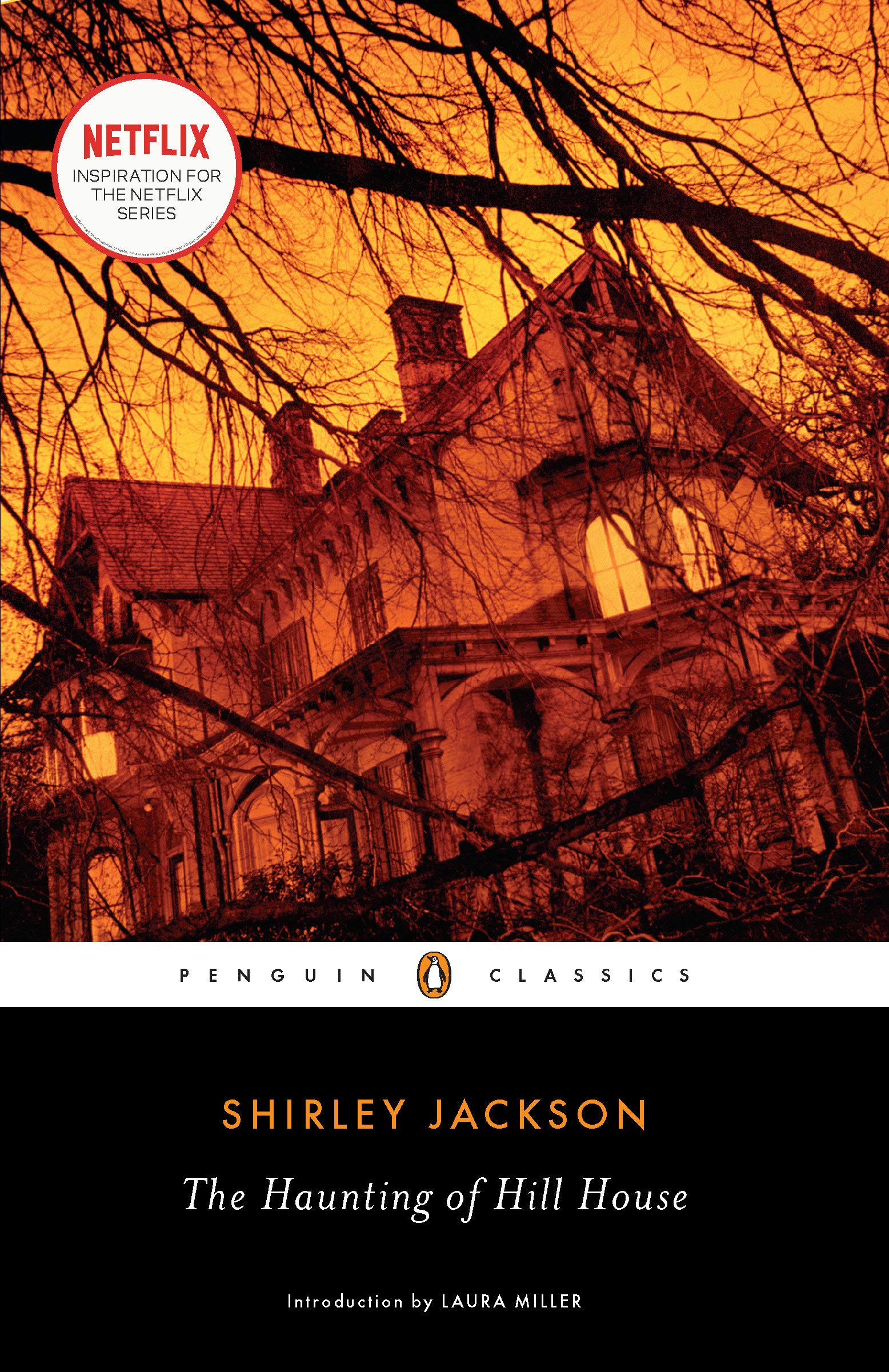
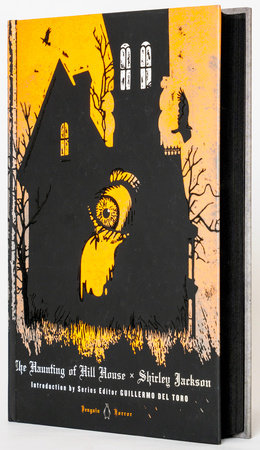
Review of "The Haunting of Hill House" by Shirley Jackson

 Review of “The Haunting of Hill House” by Shirley Jackson


The book is a classic Gothic horror tale about the effects of a haunted manor on the human mind. “The Haunting of Hill House” is about a group of people staying at Hill House for a week, experiencing paranormal events. Dr. Montague is a parapsychologist who invites three people to Hill House to conduct an experiment and record the supernatural effects on the guests. Eleanor, Luke, and Theodora join Dr. Montague as his guests. Other characters include the couple that maintains the house, Mr. and Mrs. Dudley, and Dr. Montague's wife and her friend Arthur. Over the course of a week, everyone experiences something unexplainable that scares them into believing the house is haunted. When writings on the wall call out Eleanor by name, the group starts to turn on her. In the end, they kick Eleanor out of the house, believing she is the source of the paranormal phenomenon's.

If you're someone that likes Edgar Allan Poe's “The Fall of the House of Usher” or “The Turn of the Screw” by Henry James, then you will like this book. If you're not a fan of haunted houses, you might find this book to be a bit of a bore and a chore to get through. I'm not a fan of haunted house stories. I didn't care for “The Fall of the House of Usher,” and although I enjoyed the characters in this book, I did find it to be a lull. I didn't find the “scary” parts to be scary, and there wasn't enough of the spirit activity to provide thrills.

This book is a psychological thriller that explores the descent into madness of the main character Eleanor or Nell. Eleanor had been her mother's caretaker all her life, and only recently did her mother passes away. At the age of thirty-two, Nell is free to be her own person. She struggles to find that, so she decides to go to Hill house. Having been isolated and vulnerable all her life, Nell begins to feel like Hill house is her home.

To redeem himself in his career, Dr. Montague selects each member for a reason. Eleanor had a supernatural ghost event as a child, Theodora because she was sensitive to the paranormal spirits, and Luke because he would inherit Hill house. Interested in a supernatural social experiment, Dr. Montague's wife and her friend join the group at the end of the first week. As the group begins to experience strange events, they become more and more paranoid. Nell starts to think that she can hear everything in the house, claiming that she is becoming in tune with the house. When her name appears on the walls, Theodora begins to think that Nell is doing it for attention.


Mrs. Montague uses a machine that claims it can communicate with the spirits of the house, and they call out Nell out by name. This also leads the group to believe that Nell is the origin of the phenomenon's. As the book goes on, Nell believes that Hill house is her true home. Because she doesn't have a home to go back to and has no friends, Nell wants to stay at Hill house. So, when the group kicks her out, she decides to crash her car into a tree to remain forever at Hill house.

This is a relatively simple story that relies on the atmosphere of the house. It's a mansion with a maze-like design that makes it hard for anyone to find their way around. The caretakers make a habit of not staying past dark, which adds to the mysterious nature of the house. Most of the supernatural events are loud noises, rattling, wind, and writings on the wall. There isn't much of an escalation in the circumstances, but rather it plays on the group's paranoia.


If you like this post, be sure to read my review for Shirley Jackson's “The Lottery” here and my article on Shirley Jackson, the author here. Even though I didn't love this book, it's not very long, and I would consider rereading it. If you're looking for a pure thriller, then this isn't the book for you. But if you're interested in psychological horror stories that focus on the character's mind, then give this book a read.


If you like to read stories on WattPad, then you're in luck! Because I have recently posted some short stories on WattPad! Get ready for Halloween by reading my spooky/thriller inspired stories. 


"Grave Little Witches"

"Through the Blackout"


Looking for a Halloween themed children's book? Check out my book “Who Scared Jack?” About a pumpkin named Jack who is scared on Halloween night. Join him as he makes his way through his house filled with all sorts of spooky creatures as he looks for the monster.

Buy Here 


Wednesday, October 27, 2021

Author Spotlight Shirley Jackson


Author Spotlight: Shirley Jackson

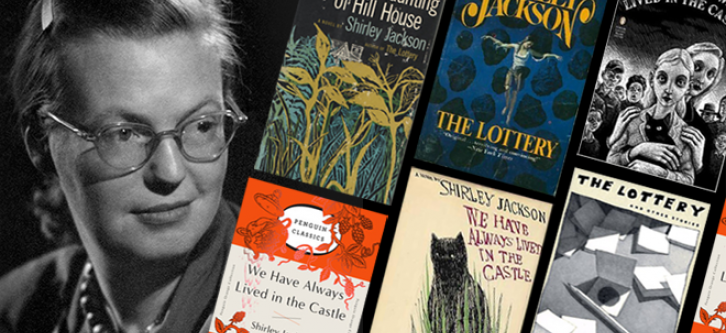
Shirley Jackson is a well known female author of popular works, such as her classic short story “The Lottery” and her ghost story “The Haunting of Hill House”. Before she became a writer, Jackson attended the University of Rochester and Syracuse University. At the latter school, Jackson worked on the school magazine as a fiction editor. After graduating, Jackson's works were being published in The New Yorker, The Saturday Evening Post and more. Her first novel was published in 1948, “The Road Through The Wall”. 1948 was also the year that Jackson's iconic short story “The Lottery” was published (Biography.com, 2014).


At the time of publishing The Lottery was a bit controversial. With her novels The Haunting of Hill House (1959) and We Have Always Lived in the Castle (1962),” Jackson's reputation as a “master of gothic horror and psychological suspense” was established (Britannica.com, 2021). Her novel “The Haunting of Hill House” is a traditional gothic horror and ghost story centered around the psychosis of a young women trapped in a haunted house with a group of a strangers. Jackson often wrote works that dealt with the themes of “evil and chaos just beneath the surface of ordinary everyday life” (Britannica.com, 2021).

Shirley Jackson is known for writing stories with female protagonists. At the time, Jackson was ahead of her peers. She was seen as a sort of proto-feminist. In 1962 Time Magazine called Jackson “Virginia Werewolf” because of her supernatural fiction centered on female characters (Bolick, 2016). Shirley Jackson lived in a time when feminine domesticity and sexism were widespread. She was able to not only be a mother and wife, but a notable author (Bolick, 2016). Her writing career stands out because of her forward thinking and psychological thrillers, and how those stories handle their female characters.


Even though she only wrote six novels, Jackson wrote over 200 short stories and two memoirs. Jackson won several awards for her short stories including the O'Henry Prize Stories in 1949 for The Lottery. The Haunting of Hill House was nominated for the National Book Award. Unfortunately, Jackson died due to health complications in 1965 at the age of 45, fairly young. Her husband had her story Come Along with Me published posthumously. Even though she passed away in 1965, many of Jacksons work continues to live. In 2018 Netflix released an adaptation of The Haunting of Hill House to great acclaim. If you haven't read any of Shirley Jackson's work and you're a fan of Gothic horror and Edgar Allan Poe, then I highly recommended reading some of her stories. Be sure to read my review for The Lottery and The Haunting of Hill House (not yet posted).


If you are a fan of Shirley Jackson or if you enjoyed this post, be sure to leave your thoughts and feedback in the comments section.


While I'm not as good a horror writer as Shirley Jackson, check out my spooky/thriller inspired stories on WattPad!


"Grave Little Witches"

"Through the Blackout"


Looking for a Halloween themed children's book? Check out my book “Who Scared Jack?” About a pumpkin named Jack who is scared on Halloween night. Join him as he makes his way through his house filled with all sorts of spooky creatures as he looks for the monster.

Buy “Who Scared Jack?” with this link 


Works Cited

The Biography.com, Biography.com Editors. A&E Television Networks, April 2, 2014. https://www.biography.com/writer/shirley-jackson. Accessed 25 October 2021.


Britannica, The Editors of Encyclopaedia. "Shirley Jackson". Encyclopedia Britannica, 4 Aug. 2021, https://www.britannica.com/biography/Shirley-Jackson. Accessed 25 October 2021.


Bolick, Kate. Who’s Afraid of Virginia Werewolf?A biography reconsiders the misunderstood legacy of best-selling writer Shirley Jackson. Bookforum.com. 2016, https://www.bookforum.com/print/2303/a-biography-reconsiders-the-misunderstood-legacy-of-best-selling-writer-shirley-jackson-16493

Monday, October 25, 2021

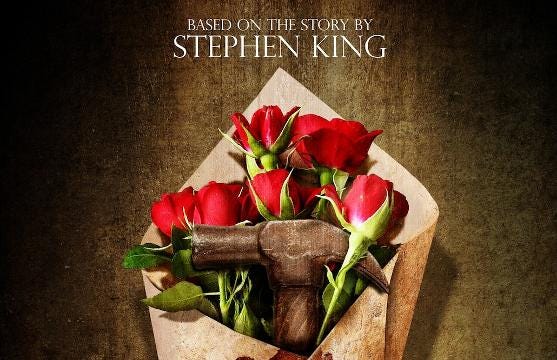
Review of The Man Who Loved Flowers


Review of “The Man Who Loved” Flowers by Stephen King


Read the story first before reading the review as it contains spoilers. Here's the link The Man Who Loved Flowers.pdf


"The Man Who Loved Flowers" is about a young man walking through the streets of New York in 1963 on a Spring evening on his way to meet a girl. As he makes his way through the streets, he buys flowers from a vendor and people keep smiling at him. When he confronts the girl, she turn out not to be the one he thought, and he instead murders her in a dark alley.

When I first read the story I was shocked by the twist ending. After reading it multiple times, I could see all of the foreshadowing that King had set up. Knowing that the main character is the hammer murderer, the 1963 New York setting adds to the serial killer, thriller aspect of the story. The eerie tone is set with the darkening of the sky, which contrasts with the mood of love the man is feeling.

The author drops several clues along the way to hint at the man's real identity. The man describes the cart of flowers as a “yellow fever of jonquils”; yellow fever being an illness, which the man is clearly suffering from some mental health issues resulting in violent acts of crime. The news report mentions a murderer on the loose and a dead woman found in the river, more foreshadowing of the man's reveal at the end. The story references the seasons, Spring and Summer often, and even the music on the radio was by the Four Seasons. I'm not sure exactly what this symbolizes, but it is mentioned that it's the end of Spring and Summer is “the season of dreams”. This change could represent the change in the character's personality at the end of the story.

While the story is about a murderer who kills young women, I believe that the man has mental issues. I even headcanon that this guy has escaped or has been recently released from a mental institution. After he passes the bad news on the radio, he responds as if none of it matters and continues walking with a smile. This is not how a sane person would act. The man also feels the hammer in his pocket but immediately takes his hand off and forgets about it and what he's done with it. When the man finds out that the girl is not Norma, he has a mental break and kills her. He freaks out and doesn't want her to scream, so he kills her to stop it. The woman's face blurs as if all the victims faces are blurred together and he can no longer remember what the real Norma looks like anymore. He is clearly a mentally disturbed individual. I almost even think that all of the people smiling at him, might even be in his head.

The fact that this murderer walks around with a smile and no one assumes that he is the hammer murderer. When in fact he needs to get some mental help and be locked up. It's a fascinating story, that feels like it could really happen in New York city in 1963. The level of detail that King uses to describe the hustle and bustle lifestyle of the city adds to the story. A simple, short story that's well written and leaves the reader with many questions. I haven't read much King but so far I've enjoyed his short stories.

Thank you for reading this post! Have you read this Stephen King short story? Make sure to leave your thoughts and feedback in the comments section. Follow the blog on social media for new updates!


While I'm not as good a horror writer as Stephen King, check out my spooky/thriller inspired stories on WattPad!


"Grave Little Witches"

"Through the Blackout"


Looking for a Halloween themed children's book? Check out my book “Who Scared Jack?” About a pumpkin named Jack who is scared on Halloween night. Join him as he makes his way through his house filled with all sorts of spooky creatures as he looks for the monster.

Buy “Who Scared Jack?” with this link 


Friday, October 22, 2021

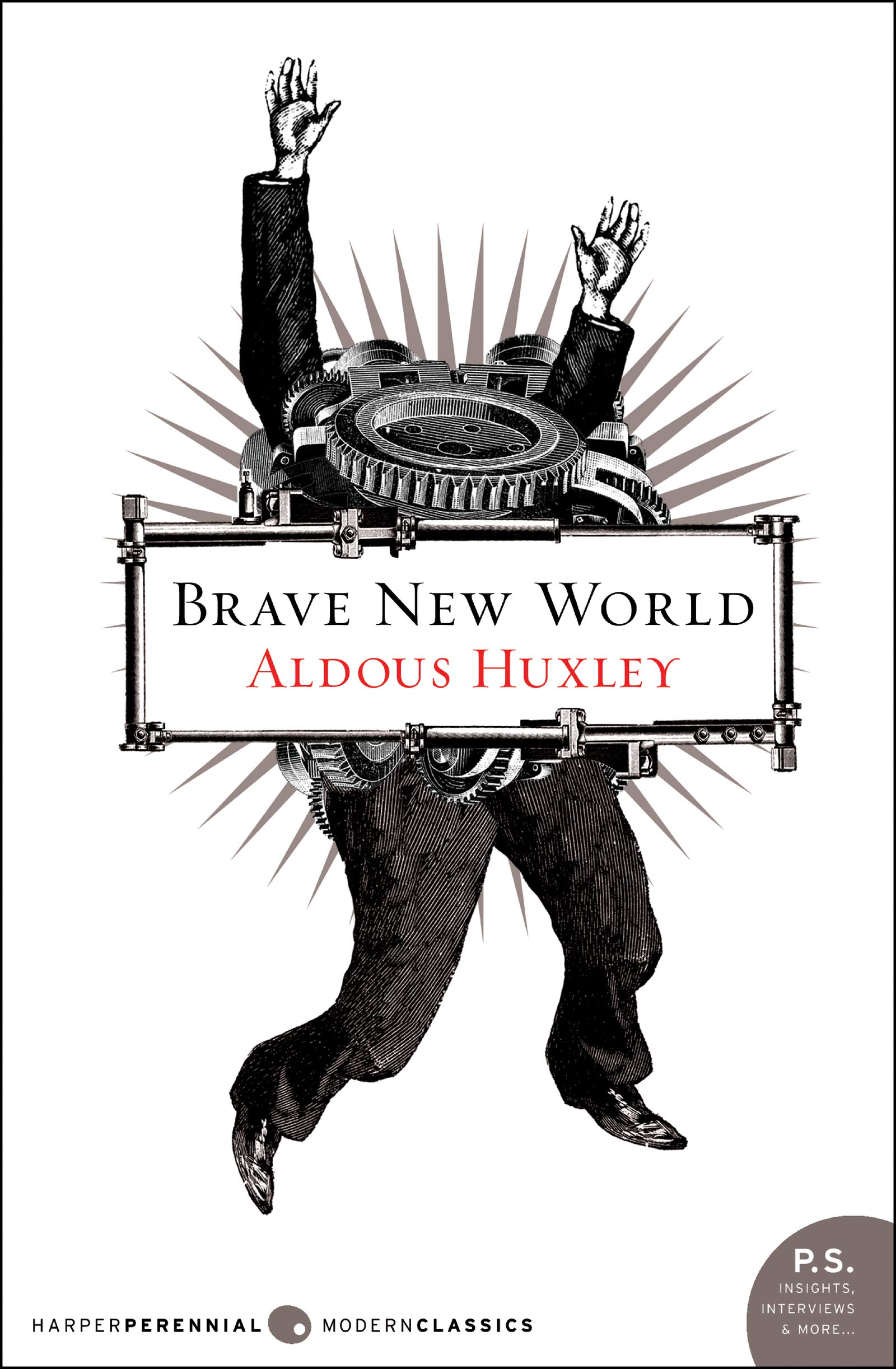
Review of Brave New World

 Review of “Brave New World” by Aldous Huxley


Last week I reviewed “1984” by George Orwell, and I feel like “Brave New World” is sort of a companion piece to that book. Both books are set in a future society of London; both deal with government control, and both deal with issues of sexuality in different ways. While “1984” is a bleak and gloomy totalitarian world, “Brave New World” has a sheen to its world that allows the reader to believe in government control. Author Aldous Huxley created this world borrowing from socialism and capitalism to create a “Utopian” society that conceives people to be content with their role in society. Through conditioning, consumerism, and class, the people have lost their freedom of choice in return for a stable social economy and the illusion of happiness.

In the book, people are produced in a lab and bred for specific job types. Some people are conditioned to be the perfect workers. The director of the conditioning facility says, “But in Epsilons...we don't need human intelligence” (Huxley, pp. 15). This shows that the lower-class people are less intelligent than the upper class of Alphas and Betas. This allows for the upper class to stay in power over the lower classes. Everyone is socially conditioned to view fixing something that is old and worn as anti-social or anti-normative. The phrase they use is “The more stitches, the less riches” (Huxley, pp. 121). This is a phrase I say anytime I have to stitch up some ripped clothing.
“Brave New World” deals with social class systems and how they inform the governmental structure. The use of class systems and the treatment of people within a specific caste exemplify social inequality. The class system, consumerism, and drug “soma” are examples of how the people are not truly free but merely cogs in the economic machine-driven to create social stability. This means that people are happy living in a world when they don't know anything different. The World State government claims that their people are so glad and pride in conditioning them to be happy.

In the book, the world controller, Mustapha Mond, suggests that substituting pain and conflict for the drug soma creates happiness within people. He states that “They're blissfully ignorant of passion and old age” (Huxley, pp. 220). The people are happy because they don't know what they are missing in life. It is an interesting philosophy that can be applied to our current times. If people are happy, does it matter how or why they've become happy? A good question to ponder and something that drives the story.

The book also takes on a more progressive view of sexuality instead of the restricted view that the book “1984” holds. Because people aren't born through sexual reproduction, women are encouraged to visit the clinic anytime they get pregnant. Casual sex with multiple partners is normal and treated as an agreement, without passion. People have been conditioned not to have children.

About halfway through the book, the main point of view shifts to a new character known as savage John. John was raised on a Native American reservation in the United States, a place that the people of the World State find as a tourist destination. They consider Native Americans to be savage because they have children and aren't driven by consumerism. John was raised by his mother, who came from London and was left behind at the reservation. John moves to London and becomes something of an oddity because he doesn't understand and conform to the social conditions in the World State government.

In the end, John is exiled and tells Mustapha Mond that he has a right to be unhappy. This goes back to the original question about people and their happiness. The World State government wants people to be happy but never stop to ask if people don't want to be happy. Because they have taken away a person's free will (to some extent). Huxley does a great job of balancing the lack of free will with the happiness of the people. This book is an excellent example of a dystopia masked as a society of utopia. Huxley highlights the fun and freeing nature of the World State government, and it's not until savage John appears that the book starts to question the government. Huxley says that he was inspired by H.G. Wells' book “A Modern Utopia,” which I might try to read.


If you have read “1984” and haven't yet read “Brave New World,” I highly suggest reading this book. I didn't love the book. I actually loved the first two chapters, then slowly lost interest as the book went on. But that is because I wanted to see more about how technology and science function in the new world. It's still a fascinating book to read.


Thank you for reading the blog. If you enjoyed this post, please leave your thoughts, comments and feedback. Be sure to follow the blog on social media for updates.


Get ready for Halloween by reading my spooky/thriller inspired stories!

"Grave Little Witches"

"Through the Blackout"


If you're looking for a Halloween themed children's book, pick up my book on Amazon, “Who Scared Jack?” 


Works Cited

Huxley, Aldous. (2010). Brave New World. Harper Perennial.

Marx, Karl. (2017) “The German Ideology”,Literary Theory: An Anthology, 3rd ed. Rivkin, Julie & Ryan, Michael (Eds.), Blackwell publishing, pp. 730-735.


Friday, October 15, 2021

Review of 1984

 Review of "1984" by George Orwell


George Orwell's “1984” is known as a classic dystopian novel with heavy social commentary. Even though the book takes place in 1984, but the story was written in 1949. It's a futuristic look at 1984, and now that the year has passed, it really could be set at any time in the future. For a while, people would tell me that I needed to read this book, but I never got around to it. So, I finally read it! I'll be honest, at first I found the story to be a bit of a slog with lots of terminologies that I did not understand.

About a third of the way into the book, I started to become more invested. The story is about a middle-aged man named Winston, who is a middle-class member of the ruling Party of London in the nation of Oceania. He slowly starts to oppose the ruling Party and meets a woman, Julia, that also feels that way. They have a secret affair, and Winston's hatred for the controlling Party grows. Winston becomes obsessed with party leader O'Brien, whom he thinks is a private member of the Brotherhood. The Brotherhood is a rumored secret organization that wants to overthrow the ruling party. When Winston does get close to O'Brien, it is revealed that O'Brien is a party spy. Because Winston has committed crimes against the party, O'Brien tortures him, trying to get Winston to break. Winston gives up Julia, no longer loves her and learns that he can never defeat the party, and has succumbed to the idea of Big Brother.


Before it was a television show, Big Brother meant the oppressive government in “1984”. The phrase “Big Brother is watching you” is plastered on buildings, reminding the government party always watching them (Orwell, 2007). In the book, the party controls the television, only playing what they want to be shown and requiring exercise in the morning. The telescreen also acts as a camera and can view people. The party watches the behavior of people to ensure that they are not going against the government. Because of this, Winston writes in his journal just out of sight of the telescreen to conceal his actions and thoughts against the government party. The telescreen can't even be turned off, just dimmed.

Winston's conflict between his essential humanity and the dehumanizing policies of the Party starts when he decides to write in a journal his subversive thoughts (Sparknotes, 2021). Orwell wrote the book as a cautionary tale about the oppression and dangers of a totalitarian government. Winston works at the Ministry of Truth, where he literally alters documents from the actual truth to whatever the party wants the people to believe is true. The party literally rewrites history in its favor to control the political agenda. The party's slogan is “who controls the past controls the future: who controls the present controls the past” (Orwell, 2007, p. 204). Winston says that since the past exists in memories, Big Brother seeks to control the memories of its subjects. This brings an interesting philosophy about whether we can trust our memories to be the truth. If no one has a memory of something, did it ever exist? That is just one form of psychological control that the party uses to dominate its people. Another recurring example of this is the idea that if the party determines that 2+2=5, then it must be true. Even if a person knows it's not, they must accept it as the truth.


Orwell presents such a bleak and depressing setting that represents the party's deadening effect on its people (Sparknotes, 2021). This allows the reader to sympathize with Winston against the party and show the possible real-world effects a totalitarian government could have on society. In the book, Orwell creates the language of “Newspeak,” which is a simplistic and abbreviated way of speaking. This is done to demonstrate the control the party has over how people communicate with each other.

“1984” is a thought-provoking novel and explores the world of politics in a totalitarian government. However, I didn't get into this novel until the love affair between Winston and Julia. For me, the most exciting part of this dystopian world was how it affected romantic relationships and marriages. While I had some trouble adjusting to the language used in the book, it only adds to the effect that George Orwell was trying to achieve from readers. I've been told to read this book more than once to absorb and understand the politics and themes. So, I may read it in audiobook form at some point.


Thank you for reading this post, let me know your thought about the book “1984”. Leave your thoughts and comments here. Be sure to follow the blog on social media for updates.

Get ready for Halloween by reading my spooky/thriller inspired stories on WattPad!

"Grave Little Witches"

"Through the Blackout"

If you're looking for a Halloween themed children's book, check out my book "Who Scared Jack?" Available on Amazon in print and on the Kindle. You can buy it here. 


Works Cited

Orwell, G. (2007). 1984. Signet Classics.

Sparknotes.com, 2021. https://www.sparknotes.com/lit/1984/style/ ;

https://www.sparknotes.com/lit/1984/plot-analysis/


Wednesday, October 13, 2021

Print vs. Digital

 Print books vs. digital

For a while, I was against reading books digitally or listening to audiobooks. But because textbooks were often cheaper in e-book form, I began to get used to reading books on my tablet. I read all of “Catching Fire” by Suzanne Collins on my sister’s Barnes and Noble Nook e-reader. I love that book; it was such a page-turner. Or screen swiper? Either way, it still took a while to read the digital forms of a book. There’s just something tangible about holding a hardcover or paperback in hand. However, with limited time to read and the increasing volume of books I want to read, I have had to turn to e-books and audiobooks. 


Running this blog means that I need to read a lot of books and short stories. As a slow reader, that means I don’t have time to read a physical book all the time. I go for a two or three-mile walk in the mornings, and instead of listening to music, I listen to an audiobook. This allows me to read more books than I would typically do with a paperback. When traveling or sitting in a waiting room, carrying an e-reader is more accessible than a big book. So, I bought myself a Kindle Paperwhite. You can also download the Kindle app on your phone (which I do have). The benefit of this is that Kindle is integrated with Audible, meaning that I can have my audiobooks and e-books in one library on my Kindle. These digital forms of books make reading more accessible on the go and easier to find books to read. This means I can listen to one book on my walks, read another book from my Kindle before bed, and read a physical book throughout the day (usually my book of short stories). I might not finish each book as soon as possible, but it makes it easier to consume new books.

Now, while I was against digital books at first, I’ve completely changed my mind. However, there may be reasons as to why certain people prefer a different medium for reading books. There are a few benefits for readers to read in print form. In 2019, 37% of Americans said they read only print books, while 28% read digital and printed books. “Just 7% of Americans say they only read books in digital formats and have not read any print books in the past 12 months” (Perrin, 2019). 


Some people enjoy a physical collection to display on a bookcase. A quick visual representation of all the books they have read or plan to read. I love looking at my bookshelf and knowing what I have or haven’t read without needing to remember what’s in my Kindle library. A physical copy also helps to keep track of your progress visually. “If you’re reading, it’s pretty easy to go back and find the point at which you zoned out” (Heid, 2018). That’s what a bookmark is for, and while digital books use a “bookmark,” there’s something special about having a personal bookmark to hold your place. It’s a little harder to go back and find your home in an audiobook, significantly if you’ve fallen asleep listening to it (as I’ve done a few times).

Some studies have shown that print also allows for better absorption of the material read. “The fact that printed text is anchored to a specific location on a page also seems to help people remember it better than screen-based text, according to more research on the spatial attributes of traditional printed media” (Heid, 2018). Meaning you’re more likely to remember what you’ve read in printed form because you have a physical place and location to anchor the memory. Whereas, “digital screens, audiobooks deny users the spatial cues they would use while reading from the printed text” (Heid, 2018). 

All of this reminds me of a quote from my favorite television show, “Buffy, the Vampire Slayer.” In episode eight's first episode, “I Robot...You Jane”, the librarian Giles is less than enthusiastic about digitizing books into the computer. He gives a speech to the computer science teacher Ms. Calendar about why he loves books. 

He says:

“Books smell – musty and rich. Knowledge gained from a computer has no texture, no context. It’s there, and then it’s gone. If it’s to last, the getting of knowledge should be tangible. It should be smelly.” (Buffy the Vampire Slayer, 1997). 

It’s a great quote by Giles and goes to the point that the physicality of a book, smell, texture, flipping a page cannot be replicated in digital forms. Now, some people may not miss the smell of a new book or flipping the pages and using bookmarks, but that is how a lot of people consume books. 

Over the years, there has been an increase of Americans listening to audiobooks, from 14% to 20% (Perrin, 2019). The benefit of audiobooks is that they can fit into your lifestyle easier than carrying around a book. Commuters can finish a book in a week, just driving. Or if you’re like me, you can listen to a book while you’re working out. Sometimes I’ll even listen while I’m playing video games. Audiobooks are just easier to consume, even if you’re not absorbing everything. Often, it is easier for college students to purchase the digital e-book because it is cheaper, you don’t have to store it, and when the class is over, you don’t have to re-sell. 

As print format scales back, digital comes to the forefront; however, the print might never entirely disappear. “Print books remain the most popular format for reading, with 65% of adults saying they had read a print book” in the last year (Perrin, 2019). So, while I started thinking that print media was far superior, I believe now the future of reading is a hybrid. The more options people have to read, the more likely they will consume books. I love listening to my audiobooks, reading from my Kindle, and having my physical book collection. It allows me more time to read and adapt to my reading situation. 

So, what do you think about digital vs. print books? Are you like me and using a hybrid of reading, or are your firm both physical and digital? Let me know your thoughts in the comments section or on social media. Thank you for reading the blog!


If you like to read stories on WattPad, then you're in luck! Because I have recently posted some short stories on WattPad! Get ready for Halloween by reading my spooky/thriller inspired stories!

"Grave Little Witches"

"Through the Blackout"


Or check out my Halloween themed children's book "Who Scared Jack?" You can buy it on Amazon here.


Works Cited

Buffy the Vampire Slayer. Episode: "I Robot...You Jane". Performance by Anthony Head, 20th Century Fox Home Entertainment, 1997.

Heid, Markham. “Are Audiobooks As Good For You As Reading? Here's What Experts Say.” Time, Time Magazine, 6 Sept. 2018, time.com/5388681/audiobooks-reading-books/.

Perrin, Andrew. “One-in-five Americans now listen to audiobooks”. Pew Research Center, 2019. https://www.pewresearch.org/fact-tank/2019/09/25/one-in-five-americans-now-listen-to-audiobooks/